Under Distant Skies: Mastering Astrophotography at Remote Lodges

Join us as we dive into astrophotography workshops at remote lodges, where truly dark horizons, expert guidance, and creature comforts converge. Expect night-by-night coaching, field walks under starlight, and thoughtful critiques by the fire. Whether you are beginning or refining mastery, you will gather practical skills, meaningful stories, and lasting friendships.

Choosing the Right Lodge and Sky

Great nights begin long before cameras click. Compare locations by Bortle scale, seasonal cloud patterns, moon phase, and latitude, then weigh travel time, safety, and amenities that protect your energy. The best lodge lets you rest between sessions, reach pristine viewpoints quickly, and adapt when weather unpredictably shifts.

Darkness and Measurable Quality

Dark skies are not equal. Study Bortle classes, SQM readings, and regional light domes to predict contrast and star visibility. Ask hosts for power policies and exterior lighting controls. A single shielded bulb can protect adaptation, composition options, and your precious night vision across exhausting multi-hour sessions.

Weather Windows and Seasonal Strategy

Patterns decide everything. Research jet streams, monsoons, trade winds, and microclimates that surround the lodge. Study historical cloud cover charts and humidity cycles around new moon. Pack flexibility into itineraries, building buffer nights and backup subjects, so disappointment becomes resilience, learning, and surprisingly beautiful atmospheric opportunities after storms break.

Access, Safety, and Comfort

The best shoots can unravel without thoughtful logistics. Consider road conditions, altitude effects, emergency coverage, wildlife behavior, and nighttime navigation. Confirm blackout curtains, hot drinks, and warm drying rooms. Small comforts sustain patience, sharpen judgment, and transform exhausting cold hours into rewarding, repeatable practice that steadily lifts confidence and results.

Gear That Earns Its Seat in Your Pack

Pack only what consistently contributes. Fast wide lenses, a reliable full-frame or APS-C body, a rigid tripod, intervalometer, star tracker, and abundant batteries create dependable nights. Add dew heaters, headlamps with strict red modes, and rugged cases. Every gram should protect focus, stability, and predictable workflow under real darkness.

Field Techniques Under the Stars

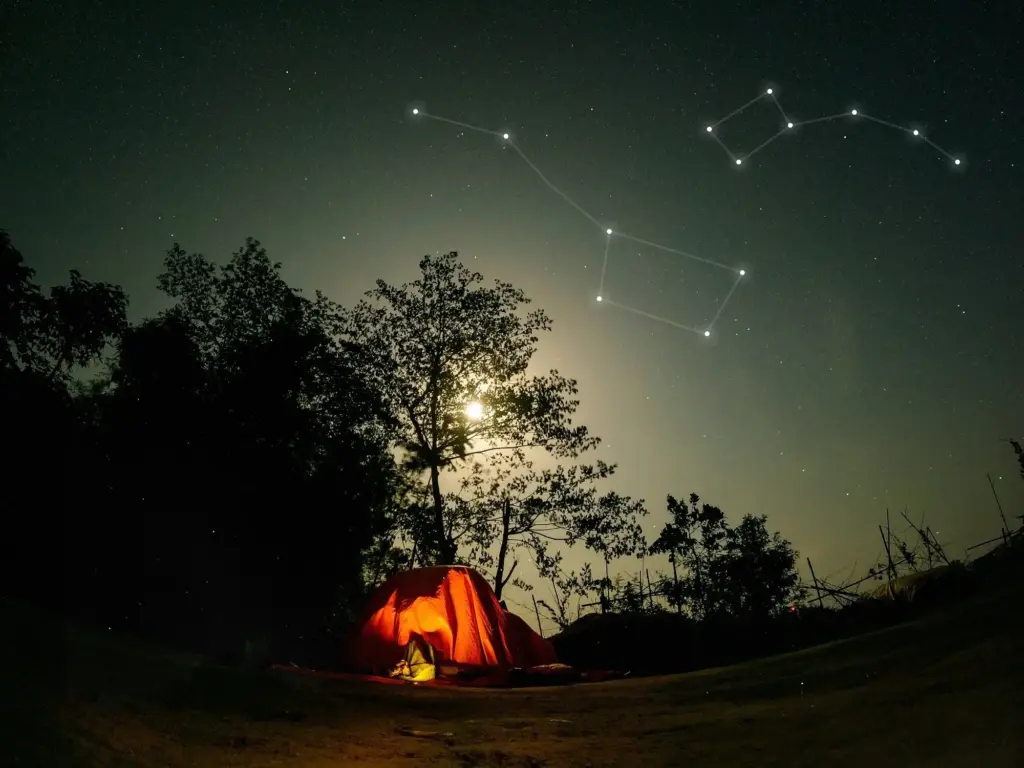
Deliberate technique shapes every frame. Nail focus before twilight ends, test exposures as the Milky Way rises, and log settings methodically. Use the 500 or NPF rule thoughtfully, and protect highlights near the galactic core. Clear, repeatable steps reduce panic, save time, and elevate keeper rates dramatically.

Creative Narratives from Night to Dawn

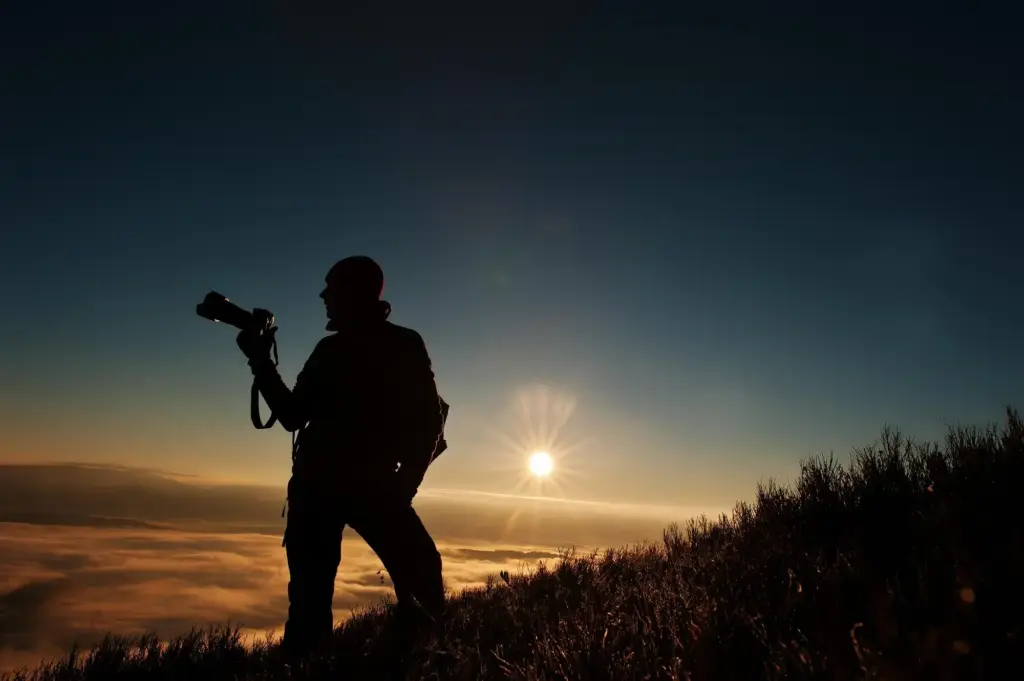
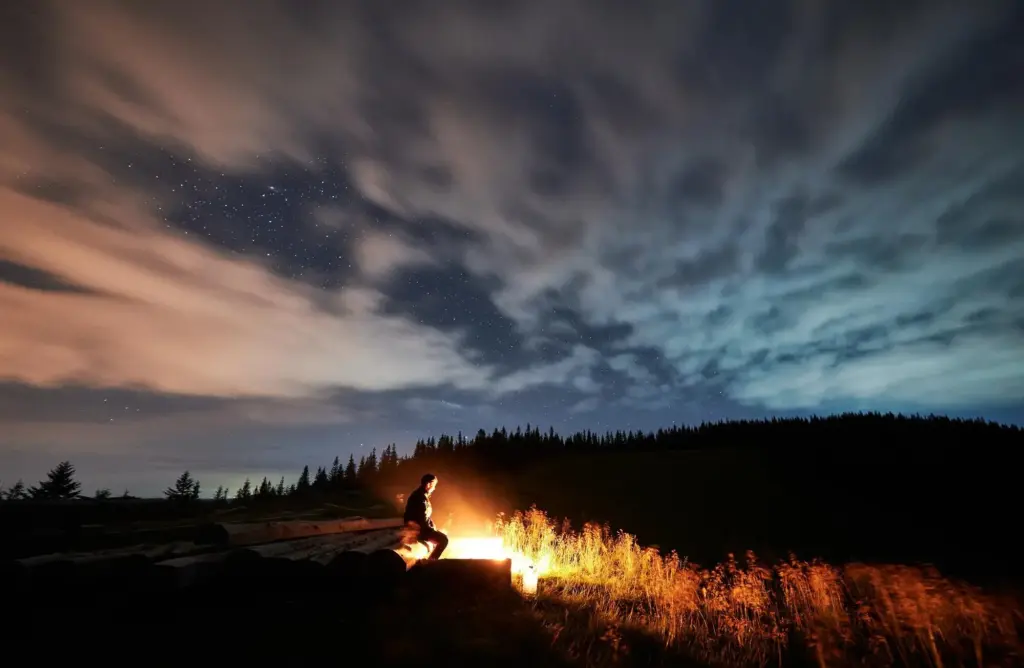
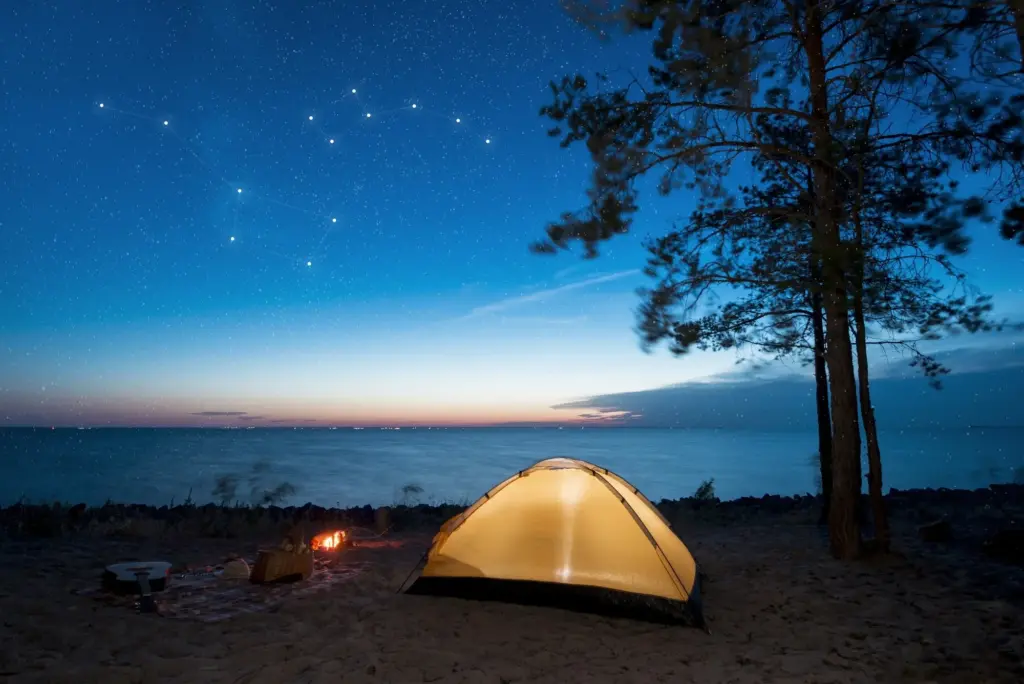
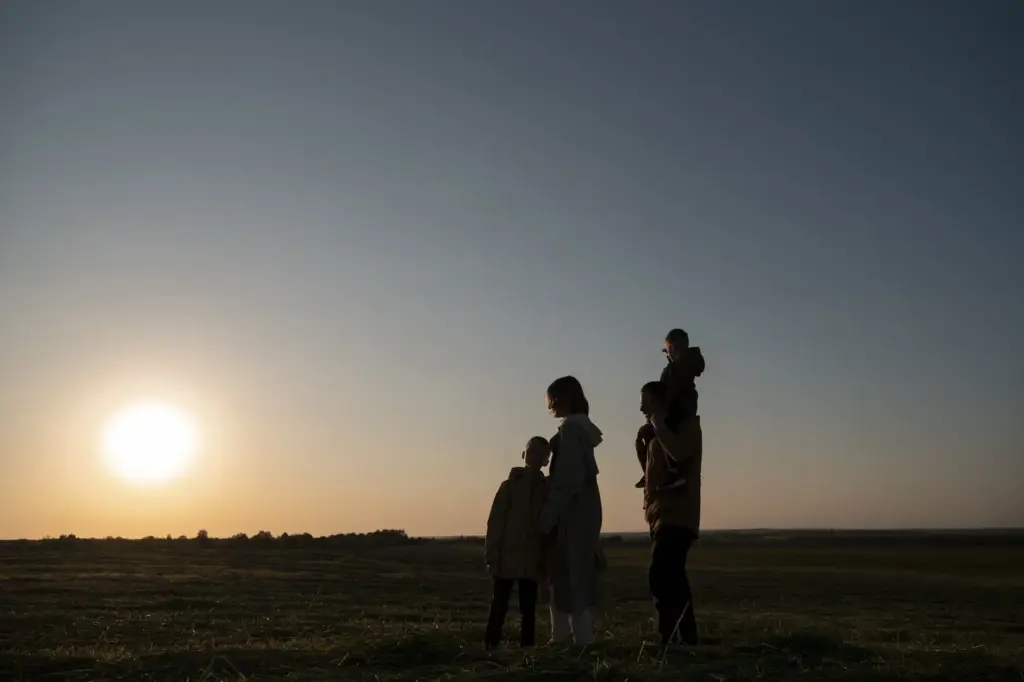
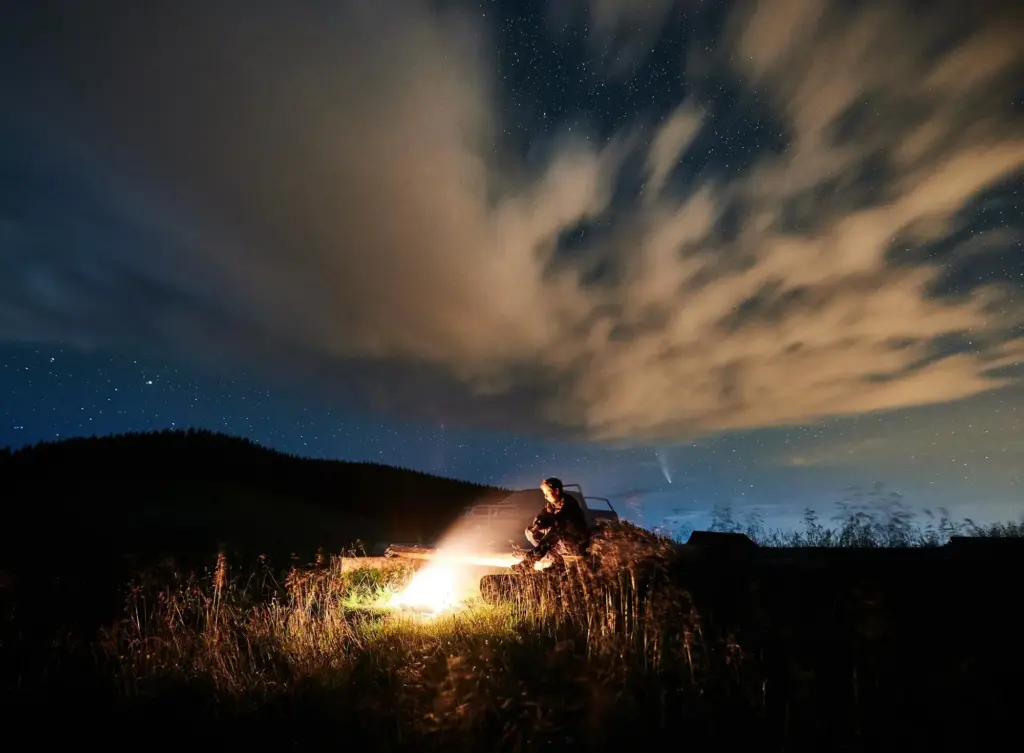
Beyond technical victories lies story. Seek leading lines, reflective water, cabins glowing softly, and silhouettes that speak of scale and solitude. Practice ethical light painting or use low-level panels sparingly. Let clouds, airglow, or distant storms carry mood, guiding viewers through scenes that breathe and linger.

Post-Processing That Honors the Night

Editing should reveal, not invent. Begin with a clean, calibrated stack, then raise exposure judiciously while guarding star color and faint dust. Tame gradients from residual lodge lights using masks. Subtle local contrast uncovers structure without plastic shine, preserving mystery, credibility, and delicate balance across print and screen.

01

Sorting, Calibration, and Solid Foundations

Discipline pays dividends. Flag sharp frames, reject vibrations, and group sequences carefully. Apply darks, flats, and bias consistently before creative work begins. Maintain a naming system that survives bleary nights. These habits make later choices calmer, faster, and kinder to the fragile textures of interstellar dust.

02

Blends and Masks Without Halos

Balance sky and land seamlessly. Use luminosity masks, feathered selections, and exposure-matched frames to avoid crunchy seams. Dodge with restraint, burn with purpose, and resist oversaturation. When edits disappear, viewers stay with the story, feeling temperature, silence, and wonder rather than software fingerprints.

03

Color Fidelity and Natural Contrast

Keep stars honest. Neutralize green casts selectively, preserve faint blues in reflection nebulae, and avoid pushing blacks into clipped voids. Midtone contrast often carries presence better than heavy clarity. Strive for believable depth, where curiosity expands gently and the sky retains its lived-in subtlety.

Workshop Dynamics and Learning Flow

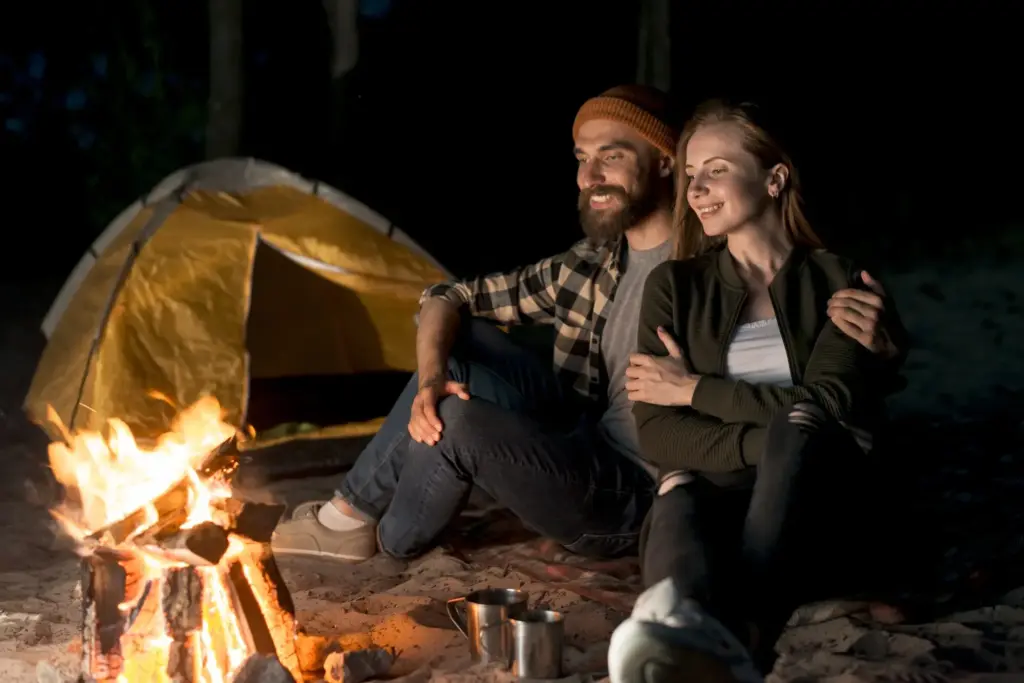
Remote settings sharpen learning when structure supports curiosity. Expect clear briefings at dusk, safety check-ins, and micro-lessons between exposures. Constructive critiques over breakfast connect technique to intent. Small groups amplify personal attention, while shared challenges transform into belonging, accountability, and the courage to try unfamiliar methods.

Stories From the Field

Plan Your Trip and Stay Connected

Turn inspiration into action thoughtfully. Sketch dates around moon phases, lock flexible reservations, and share intentions with instructors. Download checklists, insure gear, and train fitness for altitude or cold. Subscribe for field notes, workshop announcements, and gear tweaks that keep your learning alive between adventures and seasons.
Novitelizavoviroravopira
Privacy Overview

This website uses cookies so that we can provide you with the best user experience possible. Cookie information is stored in your browser and performs functions such as recognising you when you return to our website and helping our team to understand which sections of the website you find most interesting and useful.