
Family Stargazing Camps with Bright-Day STEM Adventures
Arrival, Orientation, and Your First Look Up
Build a Solar Viewer and Understand Sun Safety
Kitchen-Table Rocketry That Teaches Real Physics
Simple Robotics and Data Logging for Budding Engineers
Daylight Labs That Turn Curiosity into Experiments
Constellation Stories that Connect Science and Myth
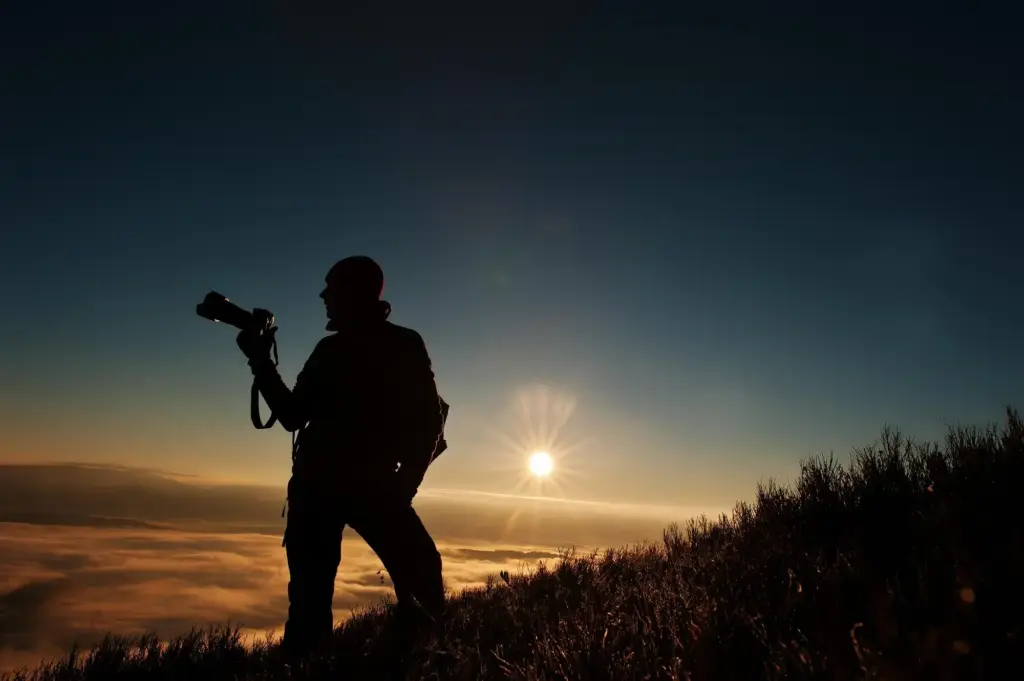
Learn star patterns not as random dots but as memory maps. Guides blend cultural stories with modern astronomy, explaining seasonal motion and how Polaris marks north. A shy camper whispered, “I found Cygnus by myself,” and the group cheered, celebrating confidence as much as accuracy.
Telescopes, Targets, and the Bortle Scale
Understand how sky quality shapes what you can see. Facilitators introduce the Bortle scale, demonstrate averted vision, and suggest beginner-friendly showpieces like the Moon, Saturn, and the Pleiades. Participants practice gentle focusing and learn why patience beats power, keeping views crisp even when air currents shimmer.
Spotting Planets, the Moon, and the ISS
Track the International Space Station with predicted pass times, then swing binoculars to Jupiter and its moons. Compare lunar phases and crater shadows to notice relief changing nightly. A quick lesson on planetary opposition helps explain why brightness peaks, turning casual glances into informed, thrilling observations.
Learning Paths for Every Age and Ability
Safety, Comfort, and Accessibility from Sunrise to Midnight
Packing Smart for Changing Weather
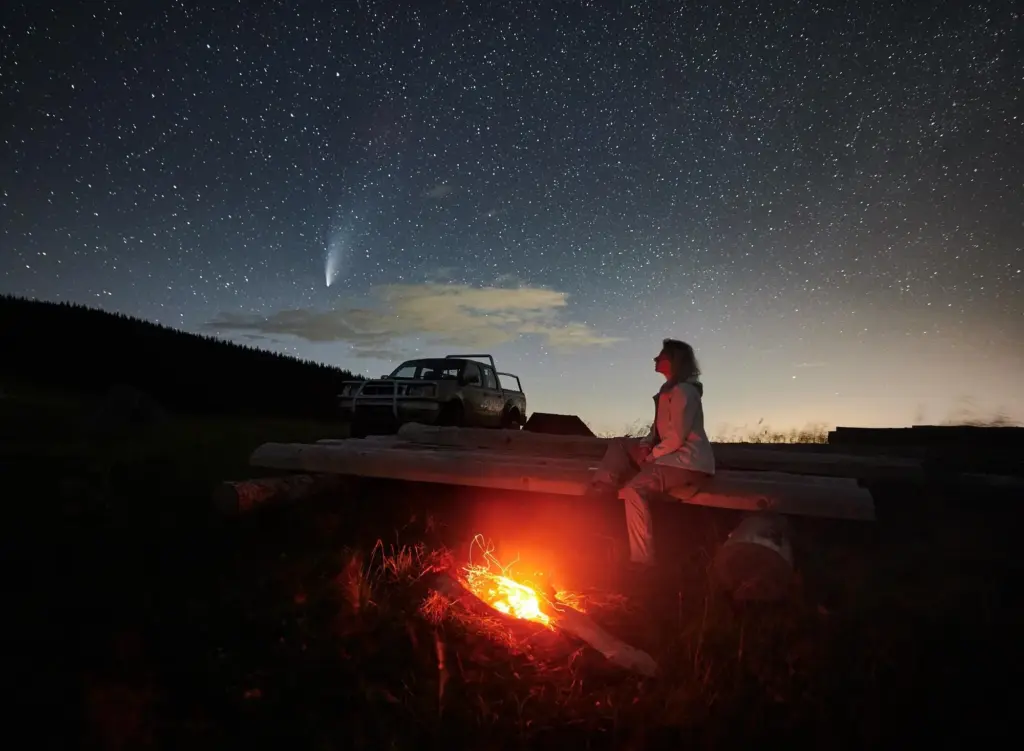
Mountains cool quickly after sunset, and dew surprises beginners. Bring extra fleece, waterproof shells, tarp mats, and labeled bins for dry storage. A small chair saves backs during long sessions, while hand warmers and insulated mugs turn chilly evenings into cozy, focused adventures.
Red-Light Discipline and Night Vision
Preserve dark adaptation with dim red lights pointed downward. Camps post reminders near paths and loan out gentle filters for phones. A five-minute blackout game shows how quickly bright light erases detail, teaching empathy and teamwork as everyone protects the group’s shared sky experience.
Inclusive Design, Quiet Zones, and Sensory Supports
Noise-cancelling earmuffs, clear visual schedules, and designated calm spaces help participants manage stimulation. Wide, even paths support mobility devices near observing pads. Volunteers offer one-on-one assistance, ensuring each family can engage fully, ask questions privately, and celebrate wins in a supportive, thoughtfully designed environment.
Keep the Momentum Alive After Camp