Chase Falling Stars: Your Ultimate Stargazing Getaway Guide

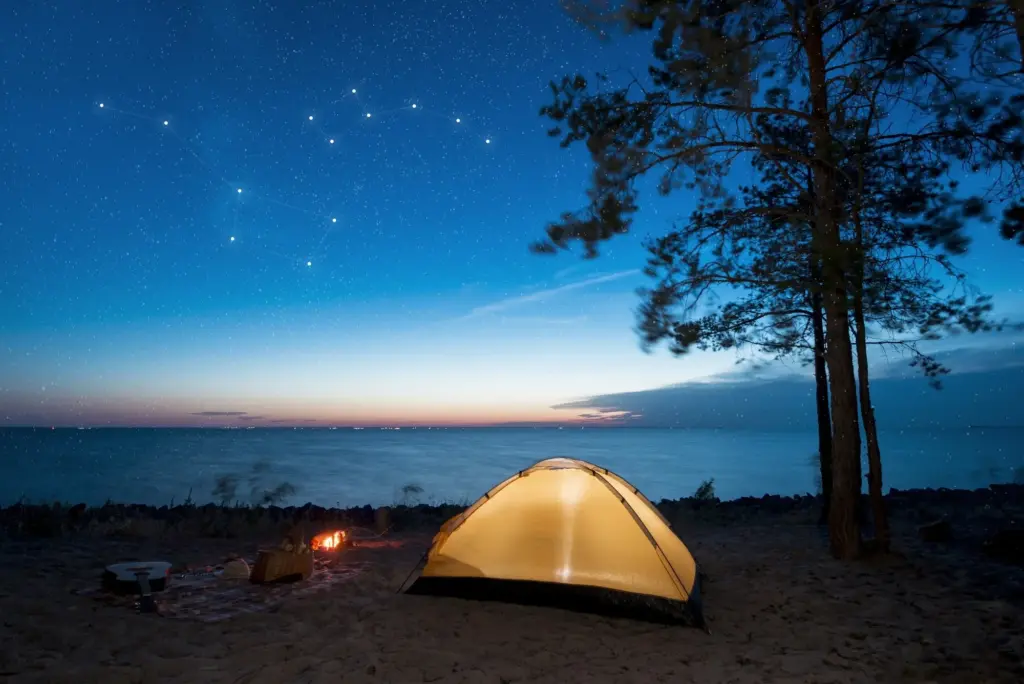
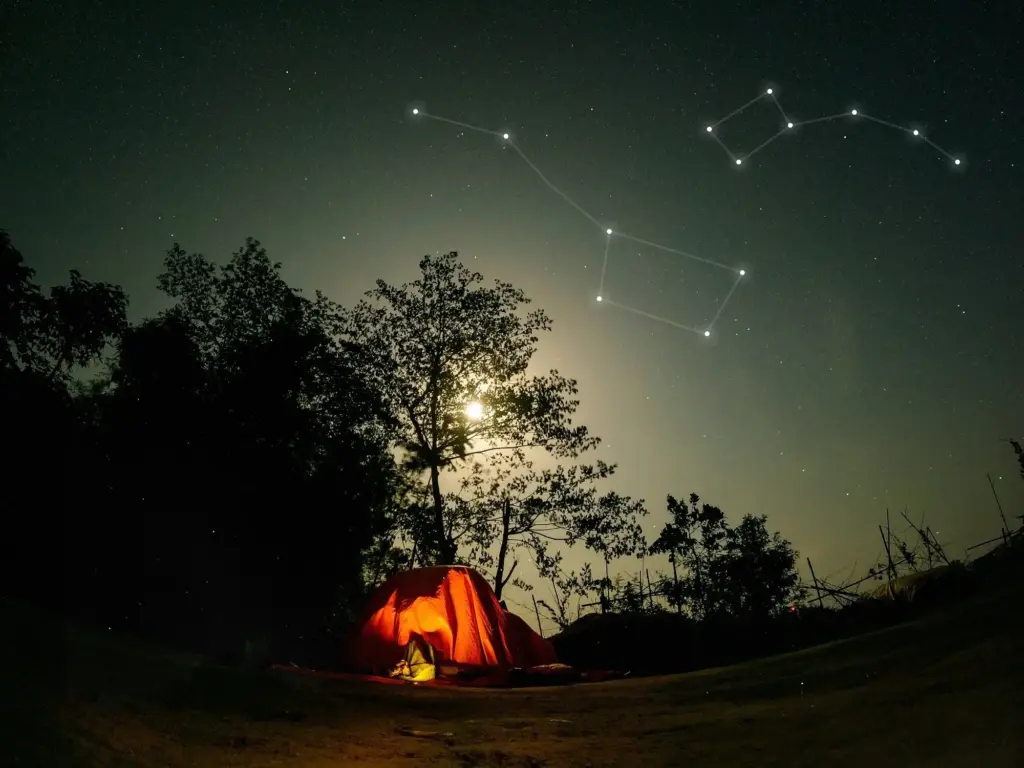
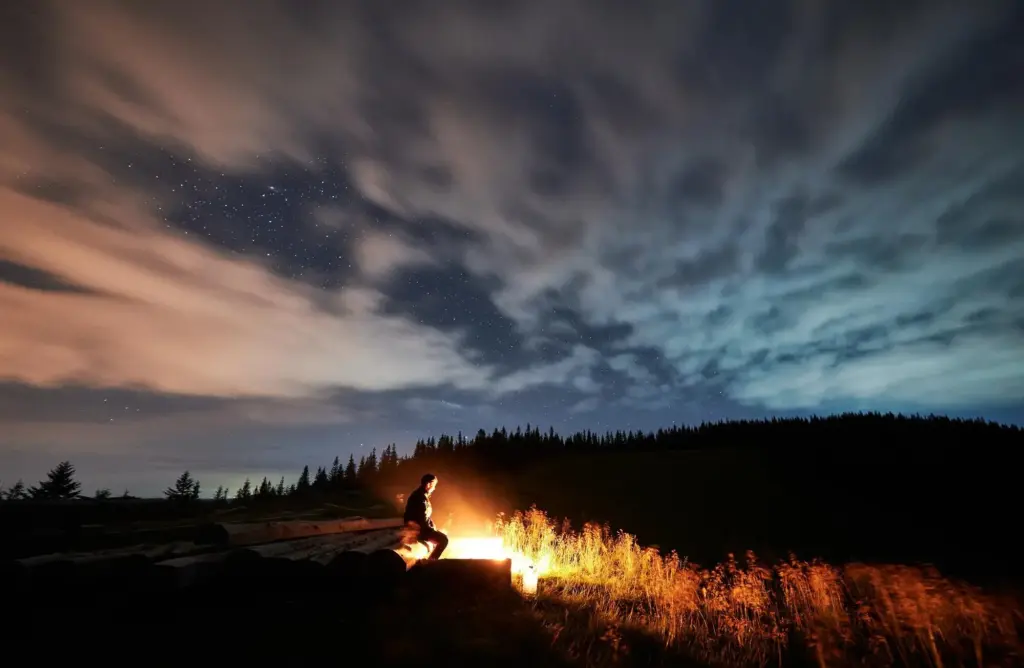
Tonight we spotlight Meteor Shower Travel Packages and Peak Viewing Calendars, bringing together curated journeys, reliable schedules, and expert tips to help you witness nature’s most generous fireworks safely and comfortably. Discover how destination choices, moon phases, and flexible planning transform quick wishes into unforgettable, shared night-sky memories.

Choosing Where the Sky Puts on Its Best Show

Great meteor watching begins long before darkness, with thoughtful decisions about geography, elevation, light pollution, and seasonal weather. By comparing dark-sky reserves, coastal microclimates, high deserts, and mountain plateaus, you can align comfort, safety, and spectacle, ensuring every shooting star is brighter, longer, and more meaningful to the people beside you.

Building a Smart Travel Plan Around the Peaks
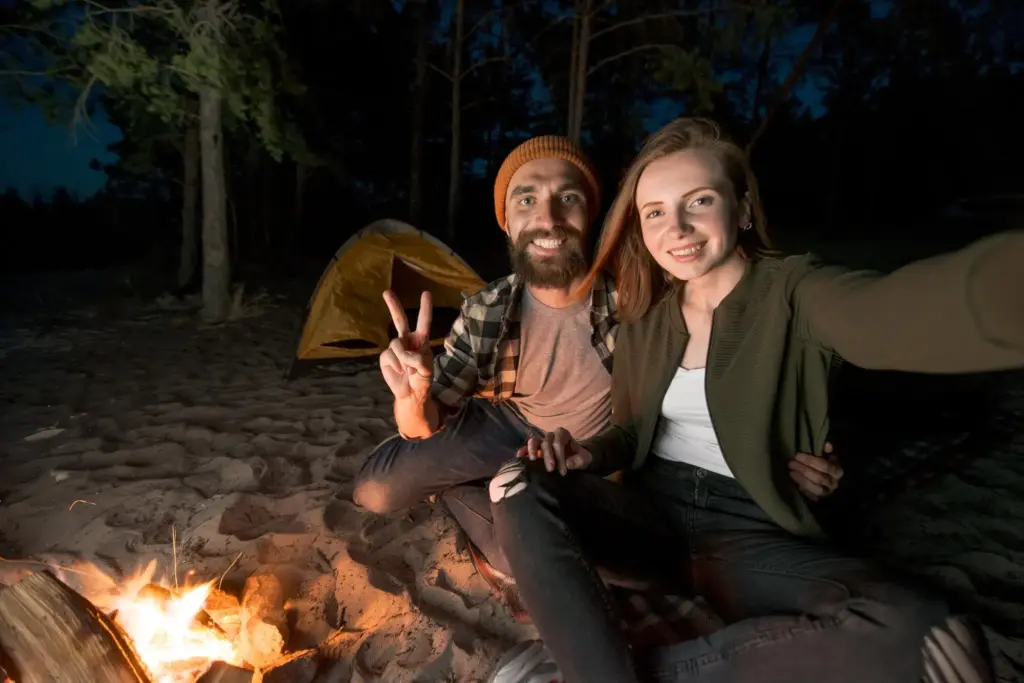
Aligning your journey with predicted maxima is the art behind meteor shower travel. Peak Viewing Calendars help pinpoint late-night sweet spots, but confidence grows when plans include off-peak buffers, backup nights, and flexible lodging. This resilience converts volatile skies into opportunities rather than disappointments, especially when forecasts shift at the last minute.

Flexible Itineraries That Follow the Forecasts
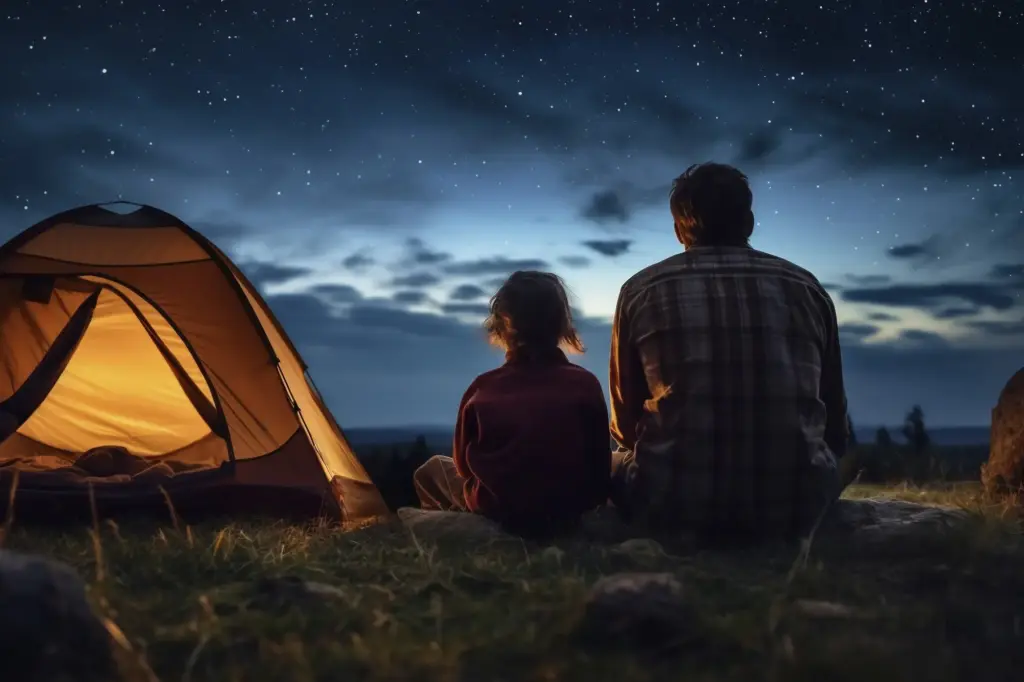
Hold at least one movable night in your schedule, and reserve two locations within a half-day radius to outrun clouds. Choose packages supporting date swaps, local guiding, and real-time alerts. Quick pivots matter most during narrow peak windows when meteor counts surge, then fade like sparks on water.

Booking Windows, Cancellation Buffers, and Insurance
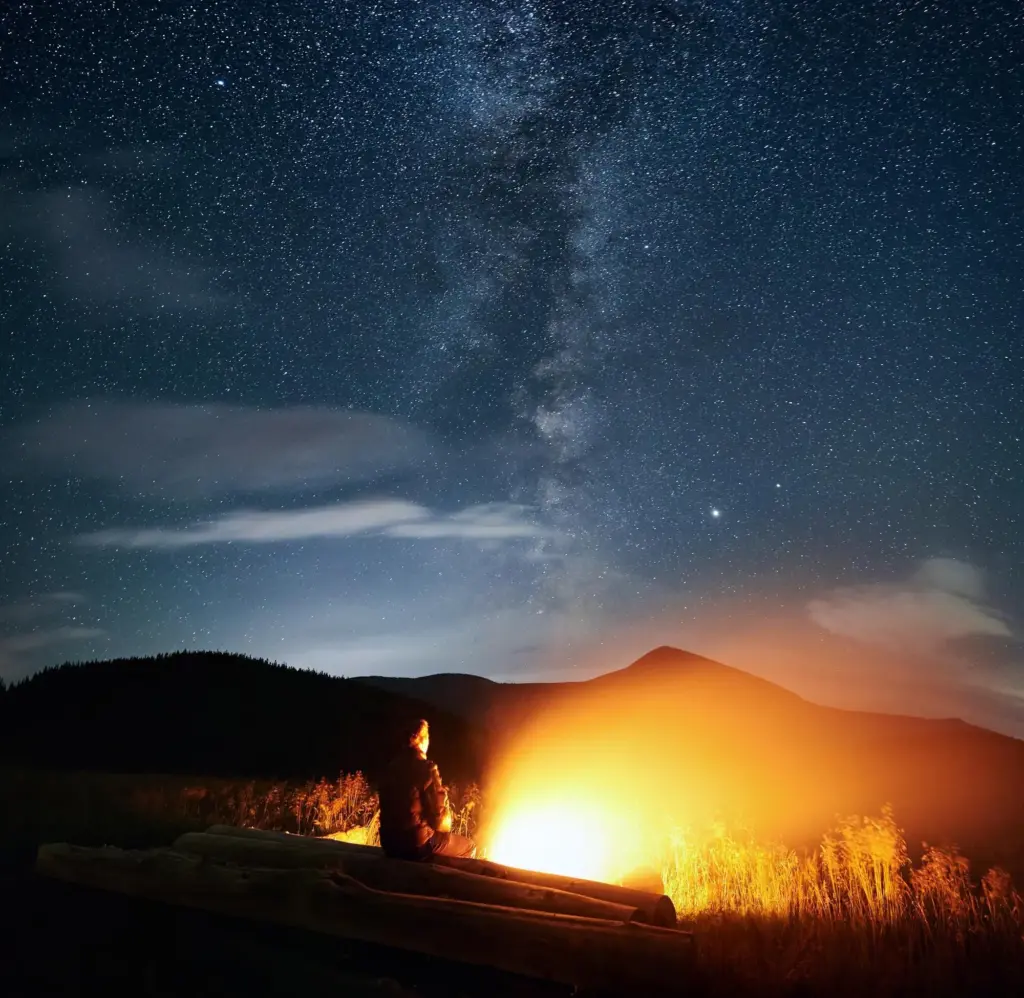
Peak demand around popular showers raises prices and reduces availability. Protect your budget with refundable rates, generous change policies, and travel insurance covering weather disruptions. If a luminous forecast emerges late, act decisively. If clouds threaten, rebook with confidence, preserving both your wallet and your chance to witness celestial theater.

Gear That Turns Night into Memory

The right equipment keeps you warm, oriented, and creatively engaged during the slow stretches between bursts. Pack layers, insulated boots, and thermoses; add chairs, hand warmers, and a headlamp with a red mode. Photographers benefit from sturdy tripods, fast lenses, interval timers, and extra batteries prepared for cold’s relentless drain.

Perseids: Summer’s Crowd-Pleaser

Emerging from Comet Swift–Tuttle’s debris, Perseids typically peak around mid-August, offering reliable ZHR counts and balmy weather that invites families outside. Expect more activity after midnight as the radiant climbs. Even with modest light pollution, brighter flares punch through, sparking cheers and heartfelt stories passed across blankets.

Geminids: December’s Reliable Fireworks

Originating from asteroid 3200 Phaethon, Geminids often deliver intense rates and vivid hues near mid-December. Dress for deep cold and consider snow travel logistics. With the right layers and a clear window, their luminous density rivals summer’s best, creating holiday memories crowned by crystalline air and frosted breath.

Underrated Wonders: Lyrids, Orionids, Eta Aquariids

Spring and autumn bring quieter, contemplative showers. Lyrids can surprise with outbursts; Orionids offer swift, delicate streaks; Eta Aquariids favor southern latitudes near May. These rewards attract smaller crowds, encouraging deeper conversations, thoughtful photography, and an intimacy with the sky that popular dates sometimes dilute.

Stories from the Road Under a Sky of Fire
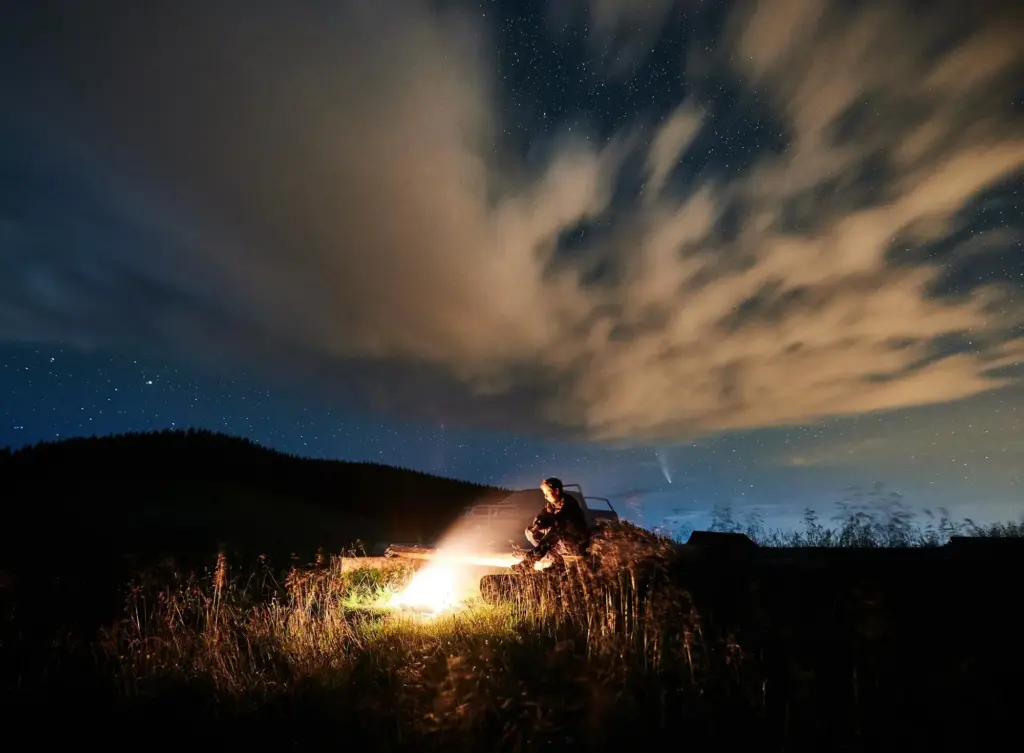
A Family’s First Perseid Night in the Desert

They left the highway for a dirt road framed by sage and coyotes’ distant yips. The youngest fell silent as a green fireball split the horizon. Exhaustion melted into wonder, and an impromptu tradition began, marked yearly by hot chocolate, sleeping bags, and quietly counted streaks.

Chasing the Geminids Above Snowy Pines

Snow squeaked beneath boots while breath sparkled in headlamp beams. Their guide brewed cinnamon tea and traced Gemini with a gloved finger. When the shower crescendoed, even the cold seemed to lean back, listening, as bright fragments etched the silence like chalk on slate-black sky.

A Solo Traveler Learns to Share the Darkness

Nervous at first, they parked near strangers who offered a spare blanket and stories about missed peaks and lucky breaks. By dawn, they were swapping photos and weather apps, promising to meet again under a different radiant, held together by starlight and new-found companionship.

Make the Most of the Calendar All Year

Peak Viewing Calendars unlock more than dates; they coordinate gear checks, moon-phase strategies, and location scouting. Plot quarterly reviews to adjust for weather patterns and personal schedules. With foresight, you secure permits, reserve remote cabins, and invite friends early, transforming scattered showers into a year-round practice of wonder.

Quarterly Planning with Moon Phases

Start each season by flagging dark-sky weekends surrounding major showers. Track moonrise and moonset for the peak night and a backup. This single habit delivers clearer, contrast-rich skies, better photographs, and greater morale when alarm clocks chime at cold, improbable hours before dawn.

Stacking Sky Events with Cultural Festivals

Some destinations pair meteor action with local celebrations, night markets, or seasonal foods. Align your trip to enjoy both, but keep travel time realistic between events and vantage points. When plans respect both earthly rhythms and celestial schedules, the journey feels integrated, nourishing, and unforgettable for everyone involved.

When Clouds Win: Backup Adventures

Even perfect calendars fold under stubborn systems. Design delightful alternatives: observatory tours, planetarium shows, thermal springs, or dawn hikes. Salvage the night by learning constellations, practicing camera setups indoors, or journaling intentions. Disappointments soften when the itinerary still honors curiosity, connection, and the promise of another clear window.

Share Your Captures and Field Notes

Post your favorite frames with exposure details, locations, and moon conditions, then describe the human moments between bursts. Your specifics help others improve, while your stories remind everyone why we try again tomorrow: not just for meteors, but for meaning found in the dark.

Ask Our Trip Planners Anything

Unsure how to balance altitude with warmth, or calendars with school breaks? Send questions about packages, flexible holds, or last-mile transport. Real humans reply with friendly nuance, saving you time and guesswork while keeping spontaneity alive when forecasts hint at extraordinary activity.

Subscribe for Alerts Before the Next Peak

Join our mailing list for timely reminders about upcoming maxima, moon-friendly windows, and limited package openings. We prioritize clarity over hype, offering concise guidance, checklists, and local insights. When the sky lines up perfectly, you’ll already be packed, calm, and joyfully headed into the night.
Novitelizavoviroravopira
Privacy Overview

This website uses cookies so that we can provide you with the best user experience possible. Cookie information is stored in your browser and performs functions such as recognising you when you return to our website and helping our team to understand which sections of the website you find most interesting and useful.