
Under the Stars, Just Us: Private Telescope Escapes for Two

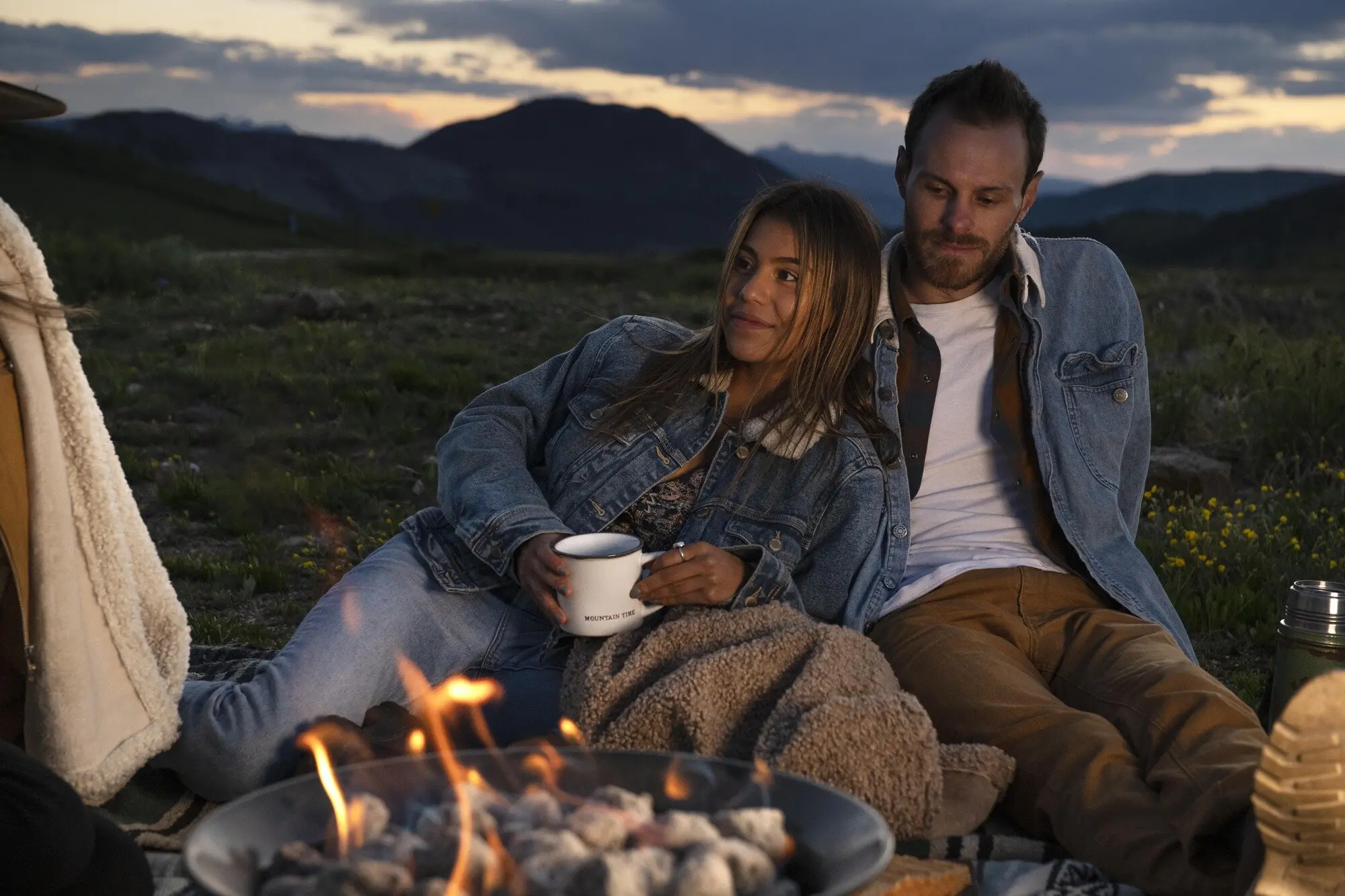
Step into a world where night becomes your shared sanctuary. Today we explore couples’ celestial getaways with private telescope sessions, inviting you to chase the Milky Way, whisper wishes beneath meteor showers, and sip warmth while Saturn sharpens into rings. From secluded dark‑sky retreats to gentle, one‑on‑one stargazing with expert guides, you’ll find practical planning, tender rituals, and mindful habits that turn a trip into a constellation of memories. Share your questions, subscribe for sky alerts, and let’s chart your next luminous rendezvous together.

Reading the Night: The Bortle Scale for Lovers
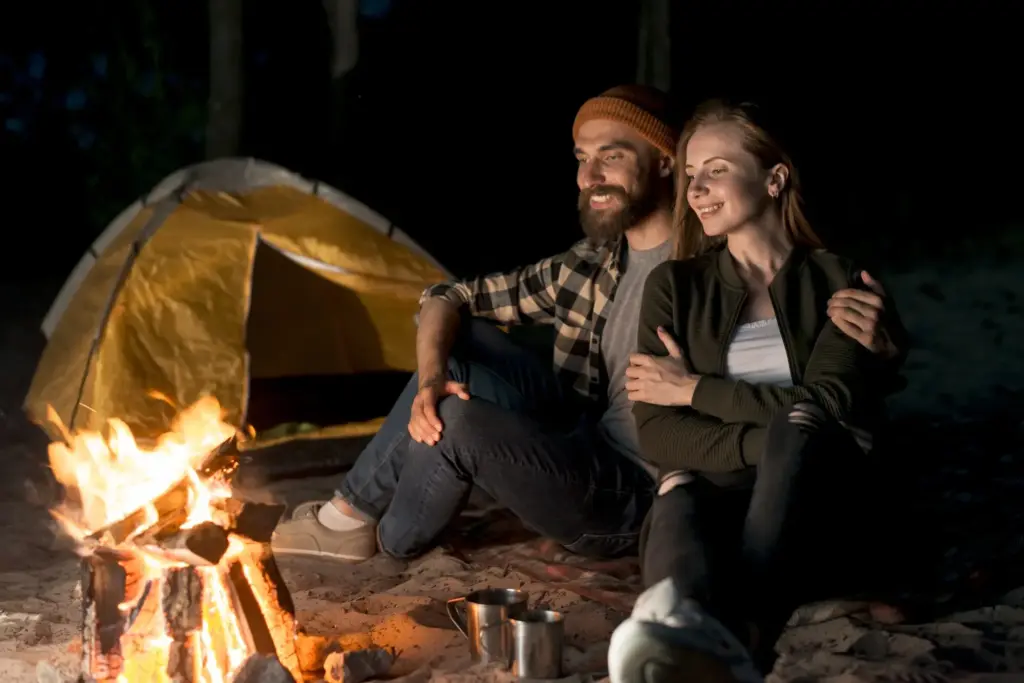
Use the Bortle scale like a whispered secret between you: lower numbers promise deeper blacks, richer nebulae, and cleaner horizons. Cross‑reference local light pollution maps with satellite imagery and weather records. Then choose spots balancing darkness with intimacy—private decks, wind protection, and short walks reduce fatigue, keeping energy for laughter, quiet awe, and lingering glances between constellations.

Seasonal Windows When the Galaxy Performs
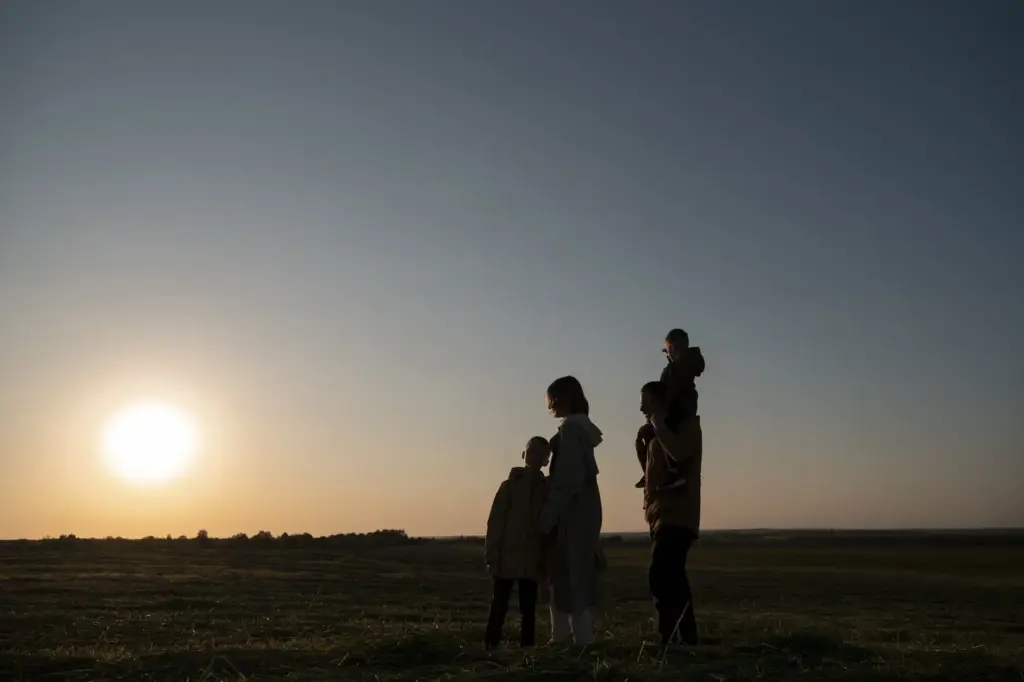
Time your escape so the Milky Way core climbs high while evenings stay gentle enough for lingering. Shoulder seasons often deliver steady skies and fewer crowds. Consider meteor showers for surprise fireworks, or plan around planet oppositions for brighter discs. Align check‑in, dinner, nap, and darkness to create an unhurried rhythm that feels luxurious, unrushed, and intentionally shared.

South, North, and the Wonders Between
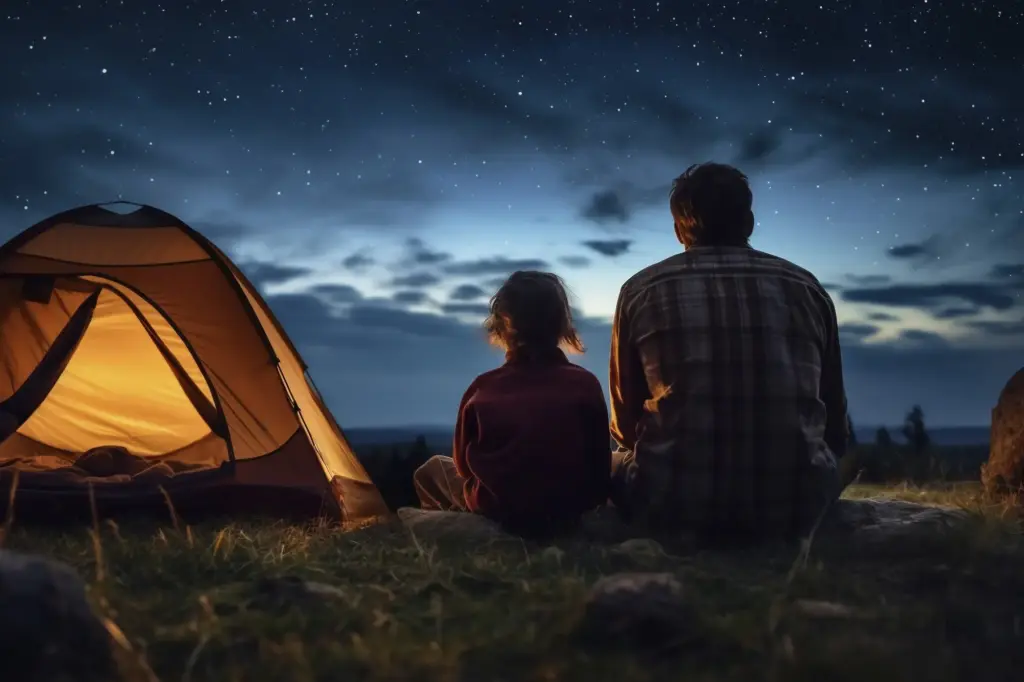
Northern latitudes flirt with auroras and circumpolar constellations, inviting slow dances beneath shimmering curtains. Southern skies unveil the Magellanic Clouds, Omega Centauri, and the Southern Cross, turning curiosity into discovery. If crossing hemispheres is tricky, pick mid‑latitude deserts or islands with steady seeing. Focus less on distance and more on consistent darkness, warm hospitality, and night‑friendly layouts that prioritize togetherness.

Designing Your Private Telescope Night

A modest refractor can serve soft, high‑contrast stars great for beginners, while a Dobsonian unlocks bright deep‑sky treasures with intuitive nudges. Request gentle eyepieces with generous eye relief and a stable, low‑vibration mount. Binocular breaks with a reclining chair encourage shared discoveries, letting both of you explore simultaneously, compare impressions, and trade the eyepiece like a secret passed between friends.
Comfort extends your night. Pack layered clothing, hand warmers, and thermoses of tea or cocoa. Choose blankets that resist dew and chairs that support relaxed neck angles. Use red light to protect night vision and mark tripod legs for safe movement. Quiet snacks, a soft playlist, and a prearranged whisper‑voice policy preserve enchantment while keeping awareness for wildlife and changing conditions.
Set expectations before dusk: share interests, announce a surprise proposal, or request a myth‑rich tour. Ask for a flexible pace with generous pauses for conversation and silence. A thoughtful guide reads the night, the seeing, and your energy, swapping targets gracefully and offering stories only when wanted. The best sessions feel choreographed yet free, intimate yet expertly supported.

Timing the Sky: Moon, Weather, and Patience

Night has rhythms. New moon windows enhance faint nebulae, but a slim crescent can paint landscapes with silver romance. Weather demands humility and backup dreams. Embrace forecasts, microclimates, and flexible reservations. Arrive early for twilight’s color, breathe through brief clouds, and treat every pocket of clarity like a gift. Patience often transforms an almost night into something unforgettable and fiercely shared.

Moonlight as Mood or Mask

Decide what you crave most: ethereal portraits under a waxing crescent or deep, velvet vistas during a dark window. Schedule galaxies, clusters, and nebulae for moonless hours; save lunar landscapes and Saturn for brighter nights. Use moonrise times to craft a narrative—begin with shadowed intimacy, welcome the gentle glow, and end with silhouettes kissing the horizon.

Forecasts, Microclimates, and Backup Dreams

Check multiple models, not just a single app. High clouds can dull contrast while surface winds rattle mounts. Nearby ridgelines, lakes, and canyons create microclimates worth leveraging with short drives. Prepare indoor alternatives—planetarium shows, storytelling by firelight, or a practice session aligning the mount—so anticipation survives a stubborn front. Romance thrives when plans bend without breaking.

Night Rhythm: From Blue Hour to Meteor Midnight

Arrive before sunset to scout trip hazards and frame southern horizons. Use blue hour for portraits, nautical twilight for first stars, and astronomical darkness for the deepest tour. If meteors peak late, nap and return renewed. Build interludes for warm drinks and shared reflection, letting each segment feel distinct, intentional, and perfectly suited to your energy.

Myth, Memory, and Constellation Conversations

Trace lines between stars and stories from many cultures, inviting respectful curiosity. Ask each other which figures feel protective, adventurous, or tender. Connect personal memories to patterns—first kiss, first trip, a hard‑won victory. Let mythology act as a mirror, reflecting your present journey while welcoming laughter, honesty, and the gentle vulnerability that grows in the hush of night.

Tiny Ceremonies Under Infinite Silence

Craft a ritual that requires no grand staging: exchange pocket notes beneath a shooting star, share a timed minute of silence, or place palms together after every new object. These small anchors create continuity across trips, transforming scattered experiences into a living tradition. Over time, each repeated gesture becomes a lantern you can relight whenever skies darken.

Journals, Promises, and Morning Reflections

Bring a small notebook to capture objects seen, feelings felt, and inside jokes born in the dark. Sketch Saturn’s tilt or Orion’s belt; describe scents, breezes, and unexpected wildlife calls. In morning light, reread and add promises for your next encounter with the cosmos. The journal becomes proof that wonder visited and chose to linger.

Gentle Footprints: Ethics and Safety at Night

Use red lights with the lowest workable brightness, shielding beams with your hand when close to faces or optics. Dim screens, silence notifications, and cover car indicators. If others share the site, agree on light rules with empathy. Your reward is preserved night vision, richer detail, and a mood that remains tender, attentive, and exquisitely unbroken.
Dusk is busy for animals; move slowly, avoid nesting zones, and keep snacks sealed. Learn whose stories name the stars overhead, cite sources kindly, and seek guides rooted in community. Choose certified dark‑sky parks or reserves where conservation is active. Your attention honors place, deepens meaning, and keeps the night welcoming for future wonder‑seekers and their quiet hearts.
Carry paper maps, a charged headlamp, warm layers, and spare batteries. Share a back‑out plan if winds surge or fog rolls in. Treat fatigue as a red flag; romance thrives on comfort, not endurance tests. A thoughtful checklist calms nerves, freeing attention for the gentle gasp that follows the first perfect view of a glittering cluster.

Starry Keepsakes Without Losing the Moment

Memories glow brighter when captured with care. Choose simple tools that won’t steal attention from each other: phone adapters, quiet shutter remotes, and a star tracker only if you truly want it. Balance portraits with pauses, editing with reminiscing, posts with privacy. Let images honor the night’s intimacy while your hearts remain anchored in presence and shared wonder.

Phone to Cosmos: Simple Shots that Shine

Stabilize with a small tripod, use a manual app, and lower exposure noise by stacking multiple short frames. Compose silhouettes against the Milky Way, keep horizons level, and avoid blinding light sources. A red filter over screens preserves night vision. Most importantly, shoot briefly, celebrate quickly, and slide the phone away so the universe can finish speaking.

Portraits with Planets, Without Harsh Lights

Create gentle backlight using distant, dimmable warm LEDs or reflected moonlight. Ask your guide to pause tracking for a still frame, then resume the tour. Use short exposures to avoid star trailing in portraits, saving long exposures for landscapes later. Prioritize breath, closeness, and ease so the photograph records the feeling, not just the faces.

Editing Together and Sharing the Wonder

Turn post‑processing into a cozy morning ritual: coffee, soft music, and side‑by‑side decisions about color and contrast. Use light touches—noise reduction, gentle curves, restrained saturation—to keep authenticity. Write a caption that remembers temperature, scents, and whispered jokes. Share selectively, invite questions from fellow sky‑lovers, and subscribe here for fresh guides, dates, and destination ideas tailored for two.
Novitelizavoviroravopira
Privacy Overview

This website uses cookies so that we can provide you with the best user experience possible. Cookie information is stored in your browser and performs functions such as recognising you when you return to our website and helping our team to understand which sections of the website you find most interesting and useful.